Returning to Work After Addiction Treatment Feels Scary: What Now?
Going back to work after addiction treatment can bring up a lot at once: relief, pressure, uncertainty, and the fear that one difficult day could undo your progress. You may be wondering how to manage meetings, commute stress, sleep, treatment appointments, and questions from coworkers—all while trying to feel steady again.
You do not have to solve everything before your first shift. A safer return is usually built from manageable steps: coordinate with your care team, protect the basics that support recovery, and make a practical plan for the first few weeks. The goal is not to return as if nothing happened. It is to return with enough structure to support both work and recovery, without loading your calendar until it becomes unmanageable.
Why returning to work in recovery can feel like a lot
Work provides routine, connection, and income, but it can also bring deadlines, conflict, fatigue, social pressure, or access to situations associated with past substance use. Even a familiar workplace may feel different after time away. You might be concerned about your focus, energy, confidence, or how you will handle questions about your absence.

That anxiety does not mean you are failing or that you are not ready. It is information: there may be parts of the transition that need planning and support. Instead of trying to eliminate every worry, identify what would make the next workday more manageable.
Start with a return plan—not a promise to “do everything”
Before returning, discuss the proposed schedule with your treatment provider or aftercare team. Share the practical demands of your job, such as start times, commute, physical activity, customer contact, or rotating shifts. You do not need to disclose private medical details to an employer to make a personal recovery plan.
If you need to discuss scheduling or workplace support, keep the conversation focused on what you need to do your job. You can review your workplace policies and applicable leave or accommodation processes, and seek qualified advice if you have questions about your rights. Your care team can help you think through what schedule is realistic; they cannot guarantee what a workplace will approve.
Match treatment intensity to real life
Treatment is not one fixed schedule that works for everyone. Depending on your needs and clinical recommendations, care may include partial hospitalization, intensive outpatient programming (IOP), regular outpatient therapy, peer support, or a combination. The right level and timing should be discussed with qualified providers, especially if work hours are changing.
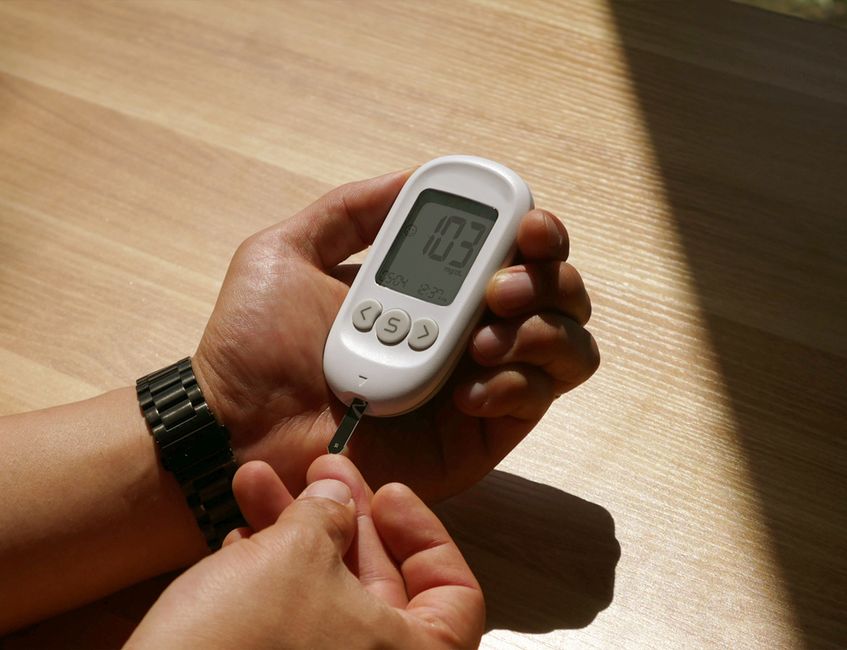
Be honest about the actual week you are facing. Include commute time, meals, sleep, caregiving, and recovery meetings—not just paid work hours. If your plan only works when nothing runs late and you never get tired, it may be too tight. Ask your provider whether a different appointment time, a gradual schedule, or additional support could help.
For information about treatment options, you can visit Marietta Spring Treatment and discuss your situation directly with a qualified provider. The CDC/NIOSH resource on workplace-supported recovery also offers information about recovery-supportive workplaces and workplace practices.
Build structure after rehab without creating overload
Structure is helpful when it reduces daily decision-making. It becomes a burden when every hour is booked and there is no room for rest, delays, or emotions. Think of your routine as a small framework, not a test of discipline.
Start with a few anchors: a reasonably consistent sleep and wake time, planned meals, work hours, treatment appointments, and a brief check-in with someone you trust. Add other commitments only after you see how the first version feels.
Protect the basics: sleep, food, and appointments
- Sleep: Aim for a regular wind-down and wake-up routine where possible. If sleep is persistently difficult, tell your healthcare provider rather than trying to fix it with unapproved substances or medication changes.
- Food and hydration: Keep easy options available, especially on long shifts. A simple breakfast or packed snack can be more realistic than planning elaborate meals.
- Appointments: Put therapy, medical visits, and support meetings into your calendar before adding optional commitments. Include travel and transition time.
- Recovery contact: Choose one person or support option you can reach on a difficult day. Decide in advance what you might say, such as, “I’m having a rough afternoon. Can we check in for ten minutes?”
- Rest: Leave some open time in the week. Recovery and work both take energy, even when things are going well.
Returning to work step by step
A gradual return may be possible in some workplaces, but it is not available or appropriate for everyone. If a stepped schedule is an option, discuss it with your provider and employer through the relevant process. If you must return to your usual hours, you can still make the transition less abrupt by simplifying your nonwork schedule and preparing for predictable pressure points.
- Before your first day: Confirm your schedule, commute, and any practical arrangements. Prepare clothes, food, and transportation the evening before. Decide what you are comfortable saying if someone asks where you have been.
- During the first week: Focus on essentials. Notice which parts of the workday feel steady and which feel draining. Keep appointments and basic routines; postpone optional projects or social plans if you can.
- At the end of each day: Take a few minutes to check in: What went okay? What was hard? What do I need before tomorrow? Write down one adjustment rather than judging the whole day.
- After one or two weeks: Review the schedule with your care team. If you are consistently missing appointments, sleeping poorly, or feeling stretched beyond what you can manage, ask for help adjusting the plan.
- As stability grows: Add responsibilities gradually. Keep the recovery supports that are helping, even if work begins to feel familiar again.
A simple weekly plan for the first month
This sample is a starting point, not a prescription. Adapt it with your treatment team and to your work schedule. The aim is to have enough structure to stay connected to support, with room to recover from a demanding day.
When Plan Keep it manageable by Sunday or the day before your workweek Check your shifts, appointments, transportation, and meals. Choose only a few priorities; do not plan every minute. Workdays Use a basic morning routine, take planned breaks, and eat something reliable. Set a reminder for one recovery check-in or appointment if needed. One or two evenings Attend therapy, a support meeting, or another agreed recovery activity. Protect travel and decompression time around it. One day off Make space for rest, household basics, and something enjoyable. Avoid turning the day into a catch-up marathon. End of the week Review what helped and what needs changing. Bring specific observations to your provider, not a scorecard about success or failure.Make a plan for work anxiety and tough moments
“Avoid triggers” is too vague to be useful on a busy workday. Instead, name a specific situation and choose windstream.net a response you can actually use. For example, if stress tends to rise after a difficult meeting, plan a short walk, a glass of water, and a text to your support person before driving home. If after-work gatherings feel uncomfortable, decide ahead of time whether you will skip one, attend briefly, or arrange your own transportation.
Try an if-then plan
- If I feel overwhelmed during a shift, then I will step away if possible, slow my breathing, and contact the person I chose for support.
- If a coworker asks a personal question, then I can say, “I was away for health reasons, and I’m glad to be back.” I can change the subject without giving more detail.
- If a work event includes alcohol or other uncomfortable pressure, then I will decide in advance whether to decline, leave early, or bring a supportive person.
- If I notice I am skipping meals, appointments, or sleep to keep up, then I will tell my care team and review the week before adding more commitments.
These plans are not a guarantee that a hard moment will disappear. They reduce the number of decisions you have to make while stressed and give you a next step when your mind feels crowded.
Keep privacy and support in balance
You can ask for practical help without sharing details you want to keep private. Depending on your workplace and circumstances, you may want to talk with a manager, human resources, an employee assistance program, or another appropriate contact about scheduling. Consider what information is necessary for the request and check relevant policies before sharing. You do not owe coworkers a personal account of your treatment.
At the same time, try not to manage everything alone. A trusted person, provider, or recovery community can help you notice when the plan is becoming too demanding. Workplace-supported recovery can include policies and practices that make it easier to seek help and continue working while receiving support. The CDC/NIOSH resource above is a useful place to learn more.
When to pause and ask for help
Some nerves are a normal part of change. But if distress is growing, your work schedule is making it hard to attend treatment, or you are concerned about your safety or recovery, contact your treatment provider promptly. Ask for a specific review of your schedule and supports. If you are in immediate danger or facing a medical emergency, use local emergency services.
Recovery is not measured by whether your first week back feels easy. A steady return often means adjusting the plan, accepting support, and keeping the basics in place while you learn what work feels like now. Take the next step you can manage today, then check what you need for the week ahead.
Example market quote: TD 167.57 (-0.15%, -0.26) with $1.34B volume. This is a financial-market example and is unrelated to treatment or recovery guidance.